
How does the 9A Tourist Visa work in the Philippines?
For travellers whose passports qualify under Executive Order 408 (EO 408 – the Philippine visa-exemption list), visa-free admission is usually the simplest way to begin. You may generally stay for 30 days and can then extend your stay through the Bureau of Immigration (BI – the Philippine immigration authority). From your most recent arrival, stays of up to 36 months may be approved for non-visa-required nationals; the ceiling is 24 months for visa-required nationals. Extensions and admission are not guaranteed. The 9A remains visitor status: it gives you neither permanent residence nor permission to work for a Philippine employer.
What do you need to know first?
- Visa-free admission depends on the passport you use. Nationals covered by EO 408 generally receive 30 days.
- You apply for extensions through BI. The timeline shows the maximum possible duration for visa-free and visa-required nationals.
- For a longer stay, you receive an ACR I-Card (identity card for registered foreign nationals).
- Before departure, an Emigration Clearance Certificate (ECC – BI exit clearance) may be required.
- After you leave, a new period may begin if you are later admitted again. Readmission remains a decision of the immigration authority.
- The 9A permits neither regular employment nor permanent residence.
What is the 9A intended for?
The 9A is suitable for holidays, family visits, medical travel and certain short business appointments.
Where do you extend your stay?
You apply for the extension online through BI eServices (the immigration authority's online portal) or in person at an appropriate BI office.
What is not permitted under the 9A?
You may not take up paid employment with a Philippine company.
Which deadlines and periods apply?
- Before travel: Your machine-readable passport must remain valid for at least six months beyond your intended stay. Complete the free eTravel registration (digital travel registration) within 72 hours before arrival. Registration may also be required during the last 72 hours before a departing flight.
- Day 1: If your passport is covered by EO 408, you generally receive 30 days of visa-free admission. If you are visa-required, obtain the 9A before travel and check the period actually granted on arrival.
- Before the 30 days expire: Apply for the first 29-day Visa Waiver (the first extension of visa-free admission). This brings your total stay to 59 days.
- From day 59: Further extensions are available for one or two months at a time. When you extend beyond 59 days, the ACR I-Card is issued.
- For a Long-Stay Visitor Visa Extension: The LSVVE (extension for long-stay visitors) can cover up to six months. It requires a separate application and is not approved automatically.
- After six months in the country: Before departure, you generally need an ECC. Apply for it at least 72 hours before your flight. It is valid for one departure only.
- From the 25th month of stay: Extensions may require additional BI review and approval.
- After 36 months for non-visa-required nationals or 24 months for visa-required nationals: The regular maximum stay counted from your most recent arrival has been reached. After departure and later approved readmission, the calculation generally begins again.
Leaving and then returning is often called a visa run (departure to restart the period of stay). Many foreign nationals live in the Philippines this way for longer periods. There is no right to readmission, however: the border officer decides again at every entry.
What must you consider when entering?
- Passport: Follow the validity requirement in the timeline.
- eTravel: Complete the free registration at etravel.gov.ph and save the generated QR code (scannable confirmation code) on your smartphone.
- Return or onward ticket: For visa-free admission, you must normally show that you will leave the Philippines within the period initially allowed.
- Purpose of travel: The 9A is intended for the visit purposes listed above, not for paid employment with a Philippine company.
- Previous BI issues: Resolve open overstays (stays without valid permission), old fines, entry bans or unresolved BI cases before a new trip.

Philippinen visafrei - Warum Du trotzdem ein Rückflugticket brauchst
Watch in English
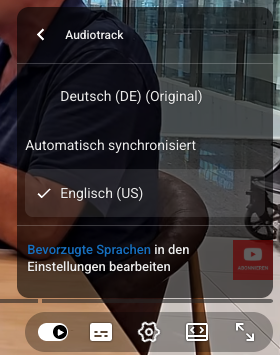
In the YouTube player, open Settings, choose Audio track, then English (US).
Before travel, apply for a regular 9A through the Philippine embassy or consulate responsible for your place of residence, or through evisa.gov.ph where your nationality and location are eligible. eTravel is not the visa portal; complete it only after the visa has been issued and within the timeline above. A Philippine eVisa cannot be extended or converted into another visa category. If you plan later extensions or a change of status, ask the responsible Philippine post about the regular visa route before travel.
How do you extend your stay?
- When? Do not wait until the final permitted day. Submit the application about one week before the expiry date.
- Where? Depending on your case, use BI eServices or go to an appropriate BI office.
- What do you bring? You need your original passport, the completed application form and the fee in Philippine pesos. For longer stays, a recent photograph and biometric data may be required.
- What happens? After the review, BI issues the Order of Payment Slip (official payment assessment). You pay the assessed amount and receive the official receipt. Depending on the BI office, you receive the extension record on the same day or after several days.
- What do you keep? Keep all receipts, stamps and application records. Also save photographs or scans of the important passport pages. You may need this evidence later for the ECC, a change of status or other applications.
What does a longer stay cost?
The first 29-day extension costs about 3,030 Philippine pesos (PHP – the national currency), approximately 49 US dollars (USD – comparison currency) at USD 1 = PHP 62.
Later, further charges may be added for express processing, the ACR I-Card, the Certificate of Residence for Temporary Visitors (CRTV – visitor residence certificate), the ECC before departure and additional review for very long stays.
The total charge for the LSVVE is PHP 11,500 (approximately USD 185 at USD 1 = PHP 62). In the example calculation, a full year as a tourist including the typical mandatory charges costs approximately USD 561. The current BI payment assessment is always binding.
What do the ACR I-Card and ECC mean for you?
What is the ACR I-Card?
The Alien Certificate of Registration Identity Card is the identity card for registered foreign nationals. It is normally issued when you extend beyond the 59th day of stay and can also serve as identification in everyday life, for example at banks or government offices.
The Annual Report (yearly registration with BI) does not apply to ordinary 9A tourists. It mainly concerns people holding certain permanent or temporary residence statuses.
What is the ECC?
The ECC confirms that you have no outstanding obligations with BI before departure. Follow the timeline for its application and validity.
What do you do if you overstay?
An overstay begins when your permitted stay has expired and you have neither extended it nor left the country.
- PHP 500 (approximately USD 8 at USD 1 = PHP 62) fine for each month of overstay
- PHP 500 (approximately USD 8 at USD 1 = PHP 62) for the Motion for Reconsideration (request for subsequent review)
- further smaller administrative charges
- the regular extension charges in addition
For an overstay of six months or more, or after exceeding the maximum duration in the timeline, a more extensive settlement procedure may be required. An administrative fine of PHP 5,000 (approximately USD 81 at USD 1 = PHP 62) may also be charged for each commenced year of overstay. A period of 18 months can therefore be assessed as two years. Overstay can also lead to an entry ban.
- When and where? Go to an appropriate BI office immediately after your permitted stay expires.
- What do you bring? Bring your passport, arrival stamp, extension records and any receipts.
- What happens? BI calculates the outstanding extensions, fines and any further required steps.
- What do you keep? Keep the payment assessment, receipts and all new entries together.
When should you consider a different residence status?
The 9A is suitable for getting to know the country, a trial period or a time-limited stay. If you make the Philippines your permanent home, other routes may be a better fit:
- Balikbayan Privilege: often relevant when entering together with a Filipino or former Filipino spouse
- 13A (permanent spouse status): when married to a Filipino citizen, subject to nationality reciprocity
- 9G (Employment Visa): for employment with a Philippine employer
- 9F (Student Visa): for a regular course of study
- Special Resident Retiree’s Visa (SRRV – Philippine retirement visa): as a possible long-term or retirement status
The 9A can work over the long term. You must, however, keep track of extensions, departures and readmission at all times.
What do you prepare before travel and while in the country?
Before departure, you should prepare the following:
- valid passport
- eTravel registration
- return or onward ticket
- digital copies of important records
- evidence of suitable health insurance
- a realistic plan for the length of stay
For a longer stay, enter the dates from the timeline in your calendar. Extend on time and keep every receipt.
What is the bottom line?
The 9A is the simplest starting point for visitors. Longer stays are also possible. In the long term, it remains a visitor model with regular extensions and no guaranteed right of readmission. As soon as work, marriage, study or long-term residence becomes part of your plans, compare the suitable long-term status.
Which residence status fits your plan?
Use the official sources on this page to compare the 9A with other residence routes. Personal English-language consultations are not currently offered on this page.
Which official sources apply?
- Department of Foreign Affairs: Visa-Free Entry to the Philippines
- Department of Foreign Affairs: Philippine Embassies and Consulates
- Department of Foreign Affairs: Official eVisa Portal
- Philippine eVisa FAQ: No Extension or Status Conversion
- Philippine Travel Information System: eTravel
- eTravel FAQ: Registration Within 72 Hours
- Bureau of Immigration: Temporary Visitor (9A) Visa Waiver
- Bureau of Immigration: Main Office Citizen’s Charter 2025 with Fees and Overstay Procedures
- Bureau of Immigration eServices: Tourist Visa Extension / Visa Waiver
- Bureau of Immigration: FAQ on ACR, Tourist Visa and ECC
- Bureau of Immigration: Operations Order SBM-2015-026 on Passport Validity
- Bureau of Immigration: Citizens Charter 2025 with ECC-A Checklist
- Bureau of Immigration: Special Study Permit
Status: 15 July 2026. BI fees and requirements can change - always check the current position with the responsible authority before applying or extending. USD planning rate on this page: USD 1 = PHP 62; conversions are rounded from the Bangko Sentral ng Pilipinas reference rate published for 3 July 2026.
 No more ad blocks with a Supporter subscription!