The Emigrant's Handbook
Part 9: Visa, Stay and Local Authorities
Note: This is not legal advice. If in doubt, ask a qualified professional, visa specialist, or the responsible authority. Visa rules and local procedures can change.
Visas are not only pieces of paper. Visas are also part of how life feels. A proper immigration status gives you peace of mind. An uncertain status, by contrast, makes you dependent, nervous, and sometimes vulnerable because of deadlines, fees, officials, agents, or your own carelessness.
This applies not only in the Philippines. Every country has its own rules, its own administrative logic, and its own grey areas. But the mistake is almost everywhere the same: people read old forum posts, listen to someone at the bar, and discover only at the next extension that the rules have changed.
9.1 Tourist Status and Extensions
Many emigrants begin with a tourist stay and then extend it locally. This can work if you plan properly, use current information, and genuinely keep your deadlines under control.
Overstay is not a trivial offence. It can become expensive and cause other problems later.
For many Germans, entering the Philippines as a tourist is practical because the first entry may be visa-free when the relevant conditions are met. Extensions through the Bureau of Immigration may then become relevant.
According to official BI information, the options include a Visa Waiver for tourists who do not require a visa, initially receive 30 days, and then apply for a first extension of 29 days. Stays beyond 59 days then proceed through further extensions.
At first, that sounds simple. But that is often precisely where the trap begins.
Fees, requirements, processing locations, the ACR I-Card, Exit Clearance, and checks can change or depend on the specific status. Visa deadlines therefore belong not only in your head, but in a calendar, a backup calendar, and a small visa file.
Overstay is not an emigration strategy. If you miss a deadline, you may not only pay a fee. You may also build up a poor immigration record. And if you want to live in a country over the long term, a poor record with immigration is about the last thing you need.
If you are uncertain, you should use professional assistance instead of relying on old forum posts. But the same rule applies with agents: you remain responsible.
Obtain receipts, check stamps, scan every extension, and verify the date yourself.
A visa agent may be useful if you do not want to handle deadlines, forms, visits to the Bureau of Immigration, or the preparation of an SRRV or 13A on your own. But an agent is not a substitute for your own checks.
Before paying, check the office, accessibility, receipts, the specific service, processing route, powers of attorney, and whether the provider is genuinely responsible for your case.
Concrete next step: Immediately after entry, create a visa calendar containing the entry date, permitted stay until, latest extension date, responsible BI office, required documents, fee reserve, and a scan of every stamp. Set reminders 21, 14, and 7 days before every deadline.
Ideal time: Establish the basic strategy before departure and begin maintaining the deadline calendar immediately after arrival.
Sources and Guidance
On the Bureau of Immigration homepage, you will find current notices, contact routes, and access to the individual immigration procedures. The link is useful here because not only forms but also responsibilities and notices can change; do not rely exclusively on a saved subpage.
Bureau of Immigration Temporary Visitor 9A Visa Waiver
Philippine Embassy Germany — visa-free entry
Partner contact: Home 901 Travel, Visa & Immigration Services / Sir Rommel for SRRV and visa assistance: Home 901 Travel
9.2 Long-Term Options: SRRV, 13A, and Other Routes
Depending on your personal circumstances, various immigration routes may be considered for living in the Philippines over the long term. The SRRV may be of interest to pensioners or older emigrants. A 13A visa may become relevant when married to a Filipino partner. There are other routes for work, business, investment, study, family, or special individual cases.
The most important sentence is:
Your immigration status must fit your real life circumstances.
Not your wishful thinking. Not what an acquaintance claims to have done. And not what may once have been easy five years ago.
The SRRV can provide peace of mind because it is designed for the longer term and does not follow the same logic of constant tourist extensions. At the same time, it has requirements, costs, deposits, documents, and rules. The Philippine Retirement Authority, or PRA, is the official body here. Check the current requirements there and do not rely only on an old YouTube video or statements from some forum.
According to the PRA's current position, the SRRV is a special non-immigrant visa under the Philippine Retirement Authority's retirement programme, issued through the Bureau of Immigration. It is therefore not simply a “retirement visa for everyone”, but a programme with variants, deposits, age limits, documents, and fees.
These official SRRV points are important for checking the handbook:
| SRRV Point | Working Note for Readers |
|---|---|
| Minimum age | According to the PRA, principal applicants are generally eligible from the age of 40; details depend on the SRRV variant and category. |
| SRRV Classic | Deposits differ according to age and pensioner status; for applicants aged 50 or over, the PRA states lower deposits for pensioners than for non-pensioners. |
| Pension | For pensioner status, the PRA requires evidence of a lifetime pension, currently at least USD 800 per month for a single applicant or USD 1,000 with dependants. |
| Documents | Passport with valid tourist status, PRA form, medical certificate, police clearance, BI Clearance/BICC, NBI Clearance where applicable after a longer stay, photographs, bank evidence, and fees. |
| Dependants | A spouse and unmarried children under 21 may be included depending on the case; foreign documents must be translated into English and apostilled or authenticated. |
A 13A visa may be suitable when married to a Filipino partner. But one point is especially important to me: never marry because of a visa. Marriage is not an immigration shortcut, but a legal, financial, and personal commitment. If the relationship becomes unstable, the visa will not be your only problem later.
You must also remain compliant when it comes to work. Tourist status is not a licence to work. If you want to earn money in the destination country, employment law, a work permit, the appropriate visa category, tax questions, and possible business permits belong in the plan. This is not a subject for an improvised week after arrival.
Digital-nomad visas, new programmes, and announced reforms often sound exciting. But rely on them only once the programme is officially in force, the requirements are clear, and you know for certain whether you actually qualify.
Concrete next step: Do not begin by deciding: “Which visa sounds good?” First write down your actual circumstances: age, income, pension, partner status, work, business, intended length of stay, return plan, and destination country. Then check which immigration routes fit them legally.
Ideal time: 3 to 12 months before the final long-term decision.
Sources and Guidance
Philippine Retirement Authority SRRV
Bureau of Immigration Immigrant Visa by Marriage 13A
Bureau of Immigration visa overview
Partner contact for practical SRRV assistance: Home 901 Travel, Visa & Immigration Services / Sir Rommel: Home 901 Travel
9.3 Marriage in the Philippines
Marriage in the Philippines requires careful document preparation. Typical documents include a passport, international birth certificate, certificate of no impediment to marriage or comparable evidence, divorce decree or death certificate, PSA birth certificate, and the Filipino partner's CENOMAR.
For German nationals, the German Embassy in Manila is an important source because it explains the requirements surrounding the certificate of no impediment to marriage and the consular certificate.
According to the embassy's information, a Marriage License is required for a valid marriage under Philippine law. It must be applied for at the Philippine civil registry office at least 10 days before the wedding date and is valid for 120 days. The German certificate of no impediment to marriage is also time-sensitive.
After the marriage, it is important to ensure that the local marriage certificate is actually forwarded to the Philippine Statistics Authority, or PSA, for registration. According to the embassy, the PSA marriage certificate is recognised as evidence in Germany.
This is not a detail that you “will deal with later”. It is the evidence of your marriage.
CENOMAR means Certificate of No Marriage Record and is important evidence of civil status on the Philippine side. The PSA describes it as a certificate stating that no marriage is registered for a person.
Here too, names, dates of birth, spellings, and documents must match properly. Small typographical errors have a habit of becoming major delays in international procedures.
Separation, annulment, recognition of foreign divorces, and family law operate differently in the Philippines from Germany. This may later matter for separation, ownership, visas, children, and financial obligations.
This subject should therefore never be treated only romantically or without careful thought.
I would rather say it clearly:
If you would not enter into the marriage without a visa, the visa is not a good reason.
Concrete next step: Before making any marriage plans, create a document list for both parties: passport, birth certificate, evidence of civil status, certificate of no impediment to marriage or consular certificate, divorce or death documents, CENOMAR, PSA documents, translations, deadlines, and the responsible civil registry office.
Ideal time: Prepare documents 3 to 6 months beforehand and understand the legal consequences in advance.
Sources and Guidance
German Embassy Manila — family matters and marriage

Chapter 9 Checklist: Residence Status and Deadline Calendar
Tick an item only after you can support it with a figure, date, document, or tested decision. The full one-page worksheet is in the appendix.
- Which status applies today, and until which exact date?
- Which extension or long-term option genuinely fits me?
- Are deadlines protected by reminders 21, 14, and 7 days beforehand?
- Have I checked the office, documents, fees, and any agent?
- Have I verified every stamp, receipt, card, and scan?
- Have I planned separately for work, marriage, departure, and overstay?
Practical check
Checklist at the end
Use the short checklist after reading all sections.
Go to checklist →Who is online?
- Visitors on the website
- Loading …
- Registered members
- Loading …
- Online now
Calendar
Dates at a glance
Calendar month is loading.
Dates are loading.
Dates today
Next 7 days

Auswandern auf Probe? Henning über Freiheit, Kosten und Leben in Asien (1)
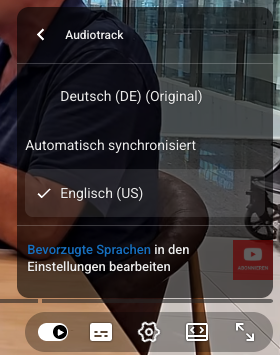
Watch in English
In the YouTube player, open Settings, choose Audio track, then English (US).
 No more ad blocks with a Supporter subscription!