Discover the Philippines
The Philippines: A Guide to Travel, Everyday Life and Relocation
The Philippines is far more than a tropical travel destination with white sandy beaches and turquoise waters. The island nation comprises more than 7,600 islands that stretch for over 1,800 kilometres between the West Philippine Sea and the Pacific Ocean. Each region has a character of its own, shaped by its history, landscape, languages, culture and people.
Travelling through the Philippines reveals not only a remarkable variety of natural environments but also major differences from one region to another. Modern cities with millions of residents stand alongside remote mountain villages, centuries-old rice terraces alongside active volcanoes, dense rainforests alongside coral reefs, and small island communities whose daily lives are still governed by the rhythm of the tides.
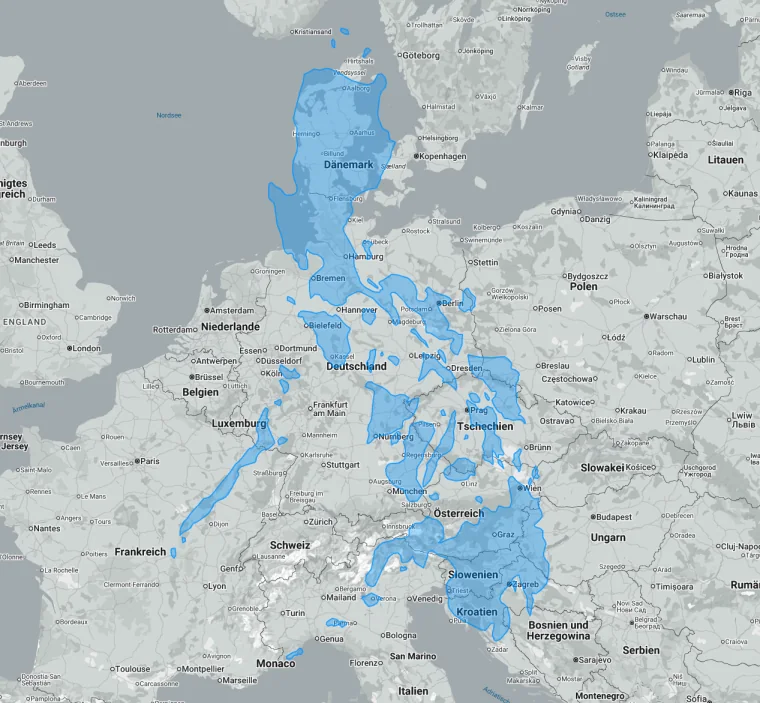
These very contrasts shape the country. The Philippines cannot be reduced to a handful of well-known holiday destinations. Anyone who takes the time will discover a country that extends far beyond postcard images, with regional traditions, different languages, a turbulent history and a hospitality that many visitors experience in everyday life.
This travel guide will help you not only to find beautiful places but also to understand the Philippines as a whole. After all, whether a destination captivates you is often determined not only by its beauty but also by the small practical details of daily life: how easy an island is to reach, a region's climate, its infrastructure, the local cuisine or what life there actually feels like.
That is why this travel guide deliberately begins with an overview. It then moves on to the three main island groups, the regions and, step by step, the individual provinces. The result is a comprehensive picture of a country with widely differing landscapes, cultures and ways of life.
The three main island groups
Luzon – The heart of the country
Luzon forms the northern part of the Philippines and is the largest and most populous island in the archipelago. It is home to the capital Manila, the neighbouring metropolis of Quezon City and the country's political, economic and cultural centre. More than half of all Filipinos live on Luzon.
Yet Luzon is far more than city life. In the north are the rice terraces of the Philippine Cordilleras, which are a UNESCO World Heritage Site. Elsewhere there are colonial cities, volcanic landscapes, long coastlines, national parks and mountain regions with a noticeably cooler climate. Few other islands bring together such a wide range of landscapes and ways of life.
Visayas – An island world between tradition and the sea
At the centre of the archipelago lie the Visayas, an island group made up of numerous large and small islands around the Visayan Sea. They include Cebu, Bohol, Negros, Panay, Samar and Leyte, among others.
The region combines historic cities with some of the Philippines' well-known diving and island destinations. At the same time, fishing, agriculture and life in smaller towns shape the daily lives of many residents. With their colonial heritage, lively festivals and varied coastal landscapes, the Visayas reveal very different sides of the country.
Mindanao – The South, full of contrasts
Mindanao is the Philippines' second-largest island after Luzon and, together with numerous neighbouring islands and the Sulu Archipelago, forms the country's southern main island group.
The landscape ranges from fertile plains and rainforests to high mountain regions. Mindanao is also exceptionally diverse in cultural terms. Christian, Muslim and Indigenous communities continue to shape many regions today. Some areas are among the country's most economically dynamic, while others remain largely untouched by tourism and offer a very different impression of the Philippines from the familiar destinations in the north or the Visayas.
Understanding the Philippines
At first glance, many people see only individual well-known destinations such as Palawan, Boracay or Cebu. But the country only begins to make sense when you recognise the connections.
Why do many Filipinos speak very good English? Why do the cultures of individual regions sometimes differ so markedly? Why is the weather sunny on one island while typhoons strike only a few hundred kilometres away? And why can a seemingly short journey take much longer than expected because of ferry connections or mountain roads?
These are precisely the questions at the heart of this travel guide. Alongside landscapes and sights, it therefore explains history, geography, religion, languages, cuisine, transport, climate and people's everyday lives in clear terms. If you truly want to get to know a country, you should understand not only what is worth seeing but also why places have become what they are today.
Discover the regions
After the introduction, the travel guide takes you through the geographical and administrative structure of the Philippines, from the three main island groups via the 18 regions to the individual provinces and special administrative areas.
Each region has its own distinctive features. Some are known for their beaches, others for mountain landscapes, historic cities, Indigenous cultures, coffee, cocoa or nature reserves. These differences make the Philippines a varied country for short trips and longer stays alike.
More than a conventional travel guide
This travel guide is not aimed only at holidaymakers. Sooner or later, many visitors consider staying in the country for longer, whether for several months, for professional reasons or even as a permanent move.
That is why the regional pages cover not only tourist highlights but also the practical aspects of life. These include:
- Getting there and getting around
- Healthcare
- Internet and mobile coverage
- Cost of living
- Safety
- Climate and weather
- Language and communication
- Infrastructure and shopping options
- Everyday life and quality of life
Step by step, this creates a realistic picture of what a region can feel like both while travelling and in everyday life.
Key facts about the Philippines
Administrative divisions (PSGC), as at 31 March 2026
- Regions
- 18
- Provinces
- 82
- Cities
- 149
- Municipalities
- 1493
- Barangays
- 42010
We usually refer to 84 provinces, but strictly speaking there are 82 provinces plus two separately administered units.
How this travel guide is structured
The travel guide follows a simple principle: from the big picture to the details.
First, you get to know the country as a whole. This is followed by the three main island groups, then the regions and, step by step, the individual provinces and special administrative areas.
The pages combine reliable background information with practical guidance for travellers and people planning longer stays. The aim is not to rate places or draw up rankings. Instead, the guide is intended to show which region suits which interests, because a good holiday destination is not automatically the ideal place to live.
Sources and quality
All content in this travel guide is based on verifiable sources. Key references include English-language Wikipedia articles, Wikidata and official publications from Philippine authorities and other reliable institutions. Claims are cross-checked before they are included; unsupported information and speculation have no place in this travel guide.
The texts are independently written and edited. Facts are checked against the sources listed.
 No more ad blocks with a Supporter subscription!