The Emigrant's Handbook
Part 14: Living Well Long Term
Living well over the long term is not the same as arriving well. Arriving means the flight, accommodation, a SIM card, the first shopping trips, and the initial excitement. Living somewhere permanently means asking yourself years later: Does your visa strategy still suit you? Does your health insurance still provide adequate cover? Is your money still sufficient? Are your contacts genuinely dependable? And does the country still suit your age, your health, and your current stage of life?
I did not set off as a backpacker at the age of 25, but emigrated at 49, right in the middle of my working life. That is precisely why I do not regard emigration as an endless holiday, but as a long-term project. At the beginning, you can compensate for many things with energy, curiosity, and improvisation. After five or ten years, other questions count: How stable is your everyday life really? Do you have a genuine sense of belonging or merely a beautiful backdrop? Who will help you if you become ill? What happens if your visa, pension, relationship, or health changes?
If you take only one point from this chapter, make it this one:
Emigration requires maintenance. Just like a house, a car, or a business. Anyone who goes for years without checking anything usually notices mistakes only once they have become expensive.
14.1 Annual Emigrant Maintenance
Once a year, you should consciously review all the important aspects of your emigration: passport validity, visas, insurance, bank access, 2FA, tax status, pension documents, powers of attorney, emergency contacts, medication supplies, reserves, and your return plan.
That sounds like administration. And yes, that is exactly what it is. But it is precisely this boring administration that will keep your back free later.
Many problems do not arise from a single major wrong decision, but from gradual neglect. A deadline is not checked. A card expires. Access no longer works. Insurance becomes more expensive. A document exists only somewhere as a blurry scan. An emergency contact has long since ceased to be current.
Anyone who treats emigration as a long-term project remains considerably more stable.
This annual maintenance also includes an honest review of your life: Is your network still dependable? Do you have genuine contacts locally or only casual acquaintances? Does the country still suit your health, your age, your family, your income, and your sense of security? Do you miss family and friends more than you did at the beginning? Do you still feel that you have arrived, or merely that you have settled in?
After the initial rush of emigration, some answers emerge only later. That is completely normal. But you should not ignore them.
I would not carry out this annual review in a hurry. Set aside a specific month for it. Open your documents. Check deadlines. Write down problems. Clarify what has changed during the past year.
New insurance costs? New visa rules? New medication? New income? A worse exchange rate? A changed relationship? Parents in Germany who now need care? These are precisely the kinds of changes from which the real decisions arise.
Concrete next step: Set up an annual emigrant MOT covering documents, visas, health, insurance, money, taxes, reserves, digital access, place of residence, network, return plan, and an honest conclusion: “Would I choose this country again with the life I have today?”
Ideal time: One fixed month each year, for example every January.
14.2 Life Certificate and Retiree Routine
Retirees should have fixed routines for life certificates, pension notifications, health insurance, medication supplies, and emergency contacts. Missing a required certificate can delay payments. And when you live abroad, “I will take care of it next week” can sometimes be the beginning of a very unnecessary problem.
You should not postpone obtaining local confirmation until the last day. Anyone living abroad needs more time in hand for post, scanning, sending documents, and follow-up questions. Something that might be handled quickly at a counter in Germany can suddenly take considerably longer from abroad.
For me today, this is a matter of routine, not panic: life certificate, scanned post, digital filing, deadlines, and evidence. In the Philippines, a barangay can be very helpful for certain local confirmations. But even then, the rule is: go early, remain friendly, allow extra time, and save everything as a scan.
A pension abroad rarely fails because of a major drama. It is more likely to fail because of a small piece of evidence that arrives too late.
Furthermore, do not plan only for normal circumstances. What if you are in hospital? What if your post does not arrive? What if your internet fails? What if you have to travel to obtain a confirmation? Who reminds you? Who can help? Where are the previous year’s documents? Which address does the pension office use? Which email address is registered? Which forms of evidence does it currently accept?
If you are a retiree living in the Philippines with an SRRV, 13A, tourist status, or another solution, examine your visa and pension routine separately. A good visa does not replace proper pension administration. And a secure pension does not replace planning for healthcare and long-term care.
Concrete next step: Create an annual retiree calendar covering your life certificate, pension post, health insurance, medication supply, tax documents, visa appointments, passport validity, bank card, powers of attorney, and emergency contact.
Ideal time: Annually, as specified by the pension office.
14.3 Return, Care Needs, and End of Life
No one likes to plan for illness, the need for care, or death. Nevertheless, these subjects belong in a serious emigration handbook. What happens if you can no longer live alone? Who makes decisions? Where are the documents? Who has access to money and accounts?
Funeral arrangements, grave maintenance in Germany, repatriation, financial protection for your partner, and your digital estate should also be arranged at least in outline. Anyone who ignores these subjects leaves their relatives with major problems in an emergency.
The need for long-term care is often the most uncomfortable gap. Many people plan for hospital treatment and an operation, but not for permanent care. Who will care for you if you can no longer shower, shop, cook, or visit an authority on your own? Is your partner even able to do that? Do you want to expect it of her? Is affordable help available? Is your home reasonably accessible? Can you even manage your everyday life with a wheelchair, walking frame, or oxygen equipment?
End of life adds international questions: Which documents does your family need? Which authority is responsible? What happens to bank accounts, your home, tenancy agreement, visas, pets, devices, cloud storage, YouTube channel, email, password manager, and unpaid bills?
In a binational relationship, there is also the question of how your partner is protected and which documents she actually has in her possession.
This is not a pleasant chapter. But it is a loving chapter when understood correctly. You do not arrange these matters because you expect the worst. You arrange them because, in an emergency, you do not want to leave other people standing amid chaos.
Concrete next step: Create an advance-planning and estate file containing powers of attorney, an advance healthcare directive, a review of your will, insurance policies, accounts, passwords, contact persons, funeral wishes, your digital estate, and a simple “What should be done in an emergency?” page for the person you trust.
Ideal time: Prepare it before departure and update it after changes in your life.
Chapter 14 Checklist: Annual Maintenance, Pension, and Advance Planning
Tick an item only after you can support it with a figure, date, document, or tested decision. The full one-page worksheet is in the appendix.
- Do the country, location, network, and everyday life still suit me?
- Are passport, residence, insurance, banking, and tax status current?
- Are pension matters, life certificate, and annual deadlines complete?
- Are doctors, medicines, care plan, emergency reserve, and return plan still sufficient?
- Can my powers of attorney, directives, will, and digital legacy actually be used?
- Which single change will improve my next year in practical terms?
Practical check
Checklist at the end
Use the short checklist after reading all sections.
Go to checklist →Who is online?
- Visitors on the website
- Loading …
- Registered members
- Loading …
- Online now
Das Siegel konnte gerade nicht geladen werden. ProvenExpert-Profil öffnen
Calendar
Dates at a glance
Calendar month is loading.
Dates are loading.
Dates today
Next 7 days

Auswandern auf Probe? Henning über Freiheit, Kosten und Leben in Asien (1)
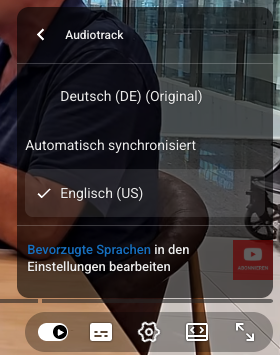
Watch in English
In the YouTube player, open Settings, choose Audio track, then English (US).
 No more ad blocks with a Supporter subscription!