
Is the Balikbayan Privilege suitable for your family?
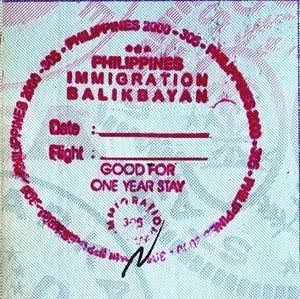
The Balikbayan Privilege is not a visa that you apply for before travel and receive as a sticker in your passport. The Bureau of Immigration (BI – the Philippine immigration authority) grants it upon entry. Eligible people and their accompanying family members can normally stay in the Philippines for up to one year without applying for regular extensions. The foreign spouse or child must be a national of a country covered by Executive Order 408 (EO 408 – the Philippine visa-exemption list) and must enter together with the eligible Filipino or former Filipino person.
What is particularly important about the Balikbayan Privilege?
- The privilege can apply to Filipino and former Filipino citizens.
- Foreign spouses and children can be included if they are EO-408 nationals and enter together with the eligible person.
- There is no guaranteed advance approval or stamp. The border officer decides upon entry.
- Marriage certificates, birth or adoption certificates and evidence of current or former Philippine status belong in your carry-on luggage.
- After entry, immediately check every stamp for the permitted period, date and the passport holder’s name.
Who can bring the family?
Certain returning Filipinos, Filipinos employed abroad and former Philippine citizens are eligible.
What must the civil records prove?
They prove the marriage, parentage or adoption and the eligible person's current or former Philippine citizenship.
What does the privilege not include?
It replaces neither work authorization nor an individual residence status for a later permanent stay.
Which deadlines and periods of stay apply?
- Before travel: A returning Filipino provides evidence of at least one year of continuous residence abroad. Foreign family members check their eligibility under Executive Order 408 and travel together with the eligible person. If their passport is not covered by EO 408, they must obtain the visa required for that passport before travel.
- Within 72 hours before arrival: Every traveller completes the free eTravel registration (digital arrival registration) at etravel.gov.ph and saves the confirmation.
- Upon entry: If the privilege is granted, each eligible foreign family member initially receives a one-year stay.
- While still at the counter: Check that every stamp shows one year. If it shows only 30 days, ask the border officer immediately.
- During the first year: The ACR I-Card (Philippine identity card for foreign nationals) is not automatically required. Anyone who applies for it voluntarily becomes a registered foreign national and generally completes the Annual Report (yearly BI registration).
- Before starting work: Obtain the work and residence permission required for the activity.
- After more than six months in the country: Apply for the Emigration Clearance Certificate A (ECC-A – BI exit clearance) at least 72 hours before departure. It is valid for one month from issue and for one departure only.
- For a stay of no more than one year: Balikbayan visitors may be exempt from the Travel Tax (Philippine departure tax). It may apply after a longer stay; the responsible Philippine tourism authority decides the individual case.
- Before the first year expires: Anyone who wants to remain applies to BI for an extension. Published extension periods are one, two or six months.
- Whenever you depart: The current Balikbayan admission ends. On a later joint return, the border officer decides again.
Who is eligible for the privilege?
- Returning Filipino: a Filipino citizen who provides evidence of the period abroad stated in the timeline.
- Filipino employed abroad: a Filipino citizen who works abroad and is returning.
- Former Filipino: a person who previously held Philippine citizenship and was later naturalized in another country.
- Foreign family: spouses and children from EO-408 countries who enter together with the eligible person.
- Passports outside EO 408: Before booking, check the exact nationality of every foreign family member against the current EO-408 list. If it is not listed, the person must obtain the visa required for that passport; a different special visa-free arrangement is not sufficient.
How does entry work step by step?
- When? Travel together and follow the requirements stated in the timeline.
- Where? Proceed together to passport control at the Philippine port of entry.
- What do you bring? You need all passports, eTravel (digital arrival registration), the marriage certificate, and the children's birth or adoption certificates. The eligible person also brings evidence of their Philippine status.
- What happens there? The eligible person requests the Balikbayan Privilege. The border officer checks each person, decides on admission and places the individual stamp.
- What do you keep? Keep copies of the passports, arrival stamps, eTravel confirmations and family records together.
Which evidence belongs in your carry-on luggage?
The spouse brings the marriage certificate. Children need birth or adoption certificates. A foreign record must be in English or accompanied by an English translation prepared in the issuing country. If the issuing country participates in the Apostille Convention, obtain an apostille (international certification of authenticity); otherwise follow the consular authentication route (verification by the responsible Philippine mission).
The eligible person proves their status with a current or former Philippine passport, a Philippine birth certificate, naturalization records or Philippine dual-citizenship records. The returning Filipino also brings the evidence of time abroad stated in the timeline. A marriage concluded abroad may require additional translation and Philippine registration records.
Do not place these records in checked luggage. At the immigration counter, you must be able to prove the family relationship quickly and clearly.
Which general travel formalities still apply?
Even with the Balikbayan Privilege, each person needs a valid passport and the eTravel registration stated in the timeline. Before departure, also check whether any further current entry requirements apply.
What applies if family members enter separately?
If the spouse travels ahead alone or children arrive later, they do not receive the privilege solely because of the family relationship. They must meet the visa-free admission or visa requirement that applies to their own passport. Family members whose passports are outside the EO-408 list need the prescribed visa before travel.
Each person receives an individual stamp. One family member's privilege cannot later be transferred to another person.
Which costs can arise?
There is normally no visa charge when the privilege is granted upon entry. Costs can arise for civil records, apostilles (international certifications of authenticity), English translations, consular authentication, trips to BI, extensions, the identity card for foreign nationals, exit documents and a later change of status.
For paid services, BI issues an Order of Payment Slip (official payment assessment). Before every application, check the current BI checklist and pay only the amount stated there.
How do you apply for an extension?
- When? Submit the application within the deadline stated in the timeline.
- Where? Go to the Visa Extension Section (BI extension office) at the BI Main Office (BI headquarters) or to another BI office.
- What do you bring? You need the valid passport and the completed BI extension form. Check the current BI list for any further required records.
- What happens there? BI reviews the application, issues the payment assessment and records the approved extension in the passport after payment.
- What do you keep? Keep the application copy, payment assessment, payment receipt and new passport entry together.
How do you check and pay a possible Travel Tax?
- When? Check the Travel Tax situation stated in the timeline as soon as your travel dates are set.
- Where? Use the official online system of the Tourism Infrastructure and Enterprise Zone Authority (TIEZA – the authority responsible for the departure tax). Alternatively, use TIEZA's Travel Tax offices or the airport counters.
- What do you bring? For the Balikbayan exemption, passport data pages, the relevant departure and arrival stamps, and the flight ticket used for entry are required. Foreign family members also have the marriage, birth or adoption certificates and evidence of the eligible person's former Philippine citizenship ready.
- What happens there? TIEZA checks the exemption using the records. If no exemption is confirmed, the online system creates a reference number and shows the official payment methods. Pay only the amount shown there.
- What do you keep? Keep the exemption confirmation or Acknowledgment Receipt (official payment confirmation). Print two copies of the payment confirmation for check-in and keep the digital version available.
How do you apply for the ECC-A before departure?
- When? Follow the ECC-A point in the timeline and begin as soon as the departure date is fixed.
- Where? Check the current BI office directory to find which BI office processes ECC-A applications. At that office, the Alien Registration Division or Alien Registration Unit (the BI foreign-national registration office) handles the application.
- What do you bring? You need the current BI forms for ECC-A and foreign-national registration, the passport, copies of the passport data page and latest arrival stamp, evidence of all previous extensions and the latest extension, and passport photographs according to the current BI checklist. Bring any existing BI orders where applicable.
- What happens there? BI checks the records, any watch-list entries and outstanding obligations. It sets the charges in the Order of Payment Slip; after payment and completion of the review, you receive the ECC-A.
- What do you keep? Keep the application copy, current checklist, payment assessment, official payment receipt and issued ECC-A until after departure.
Which options do you have after the first year?
Before the first year expires, the options include departing and returning together, an extension through BI, an application for the 13A Marriage Visa (permanent residence through marriage), consideration of the Special Resident Retiree’s Visa (SRRV – Philippine retirement visa), or a temporary change to 9A visitor status (extendible visitor status). The right solution depends on your long-term plans.
What applies to the identity card and registration?
Foreign-national registration is not compulsory under the Balikbayan Privilege alone. If you voluntarily apply for an ACR I-Card, first ask BI about the specific benefit and the reporting obligations that result. The deadlines are stated in the timeline.
May you work under the privilege?
The privilege includes no work authorization. For regular employment, the 9G Employment Visa (residence status for employed foreign nationals) together with the Alien Employment Permit (AEP – work authorization for foreign employees) may apply. A Provisional Work Permit (PWP – temporary work authorization) applies while a 9G application is pending. A Special Work Permit (SWP – permission for certain short activities) covers only the approved activity. The ACR I-Card alone does not permit work.
Would you like to prepare the entry and the status that follows?
Before travel, we check which records you should bring and which residence status makes sense after the Balikbayan year.
Which official sources apply?
- Department of Foreign Affairs: Balikbayan Program
- Bureau of Immigration: FAQ on Visitor Status, Balikbayan and Exit Clearance
- Bureau of Immigration: Citizens Charter on the ECC-A Procedure
- Tourism Infrastructure and Enterprise Zone Authority: FAQ on Travel Tax and the Balikbayan Exemption
- Tourism Infrastructure and Enterprise Zone Authority: Official Online Payment System
What is the bottom line?
For many families, the Balikbayan Privilege is the simplest route to an uncomplicated first year in the Philippines. It works particularly well when the family travels together and carries complete evidence in its hand luggage. It is less suitable as a permanent residence solution. Before the year expires, you should therefore know what comes next.
Status: 15 July 2026. BI fees and requirements can change; check the current government guidance before applying or travelling.
 No more ad blocks with a Supporter subscription!