The Emigrant's Handbook
The Emigrant's Handbook
Emigrating Worldwide
Goetz's Guide
from someone who ended up in the Philippines
I am Goetz, born in Düsseldorf in 1965. I lived in Bonn for more than 30 years and emigrated to the Philippines at the beginning of 2014. I have lived in Cebu City ever since. Since 2024, I have actively supported people who want to prepare seriously for a fresh start abroad instead of merely dreaming about it.
This handbook is not intended to be useful only for the Philippines. Most mistakes people make when emigrating are remarkably similar all over the world: they decide too quickly, test the new country too little, plan with insufficient reserves, or hope that a plane ticket will suddenly reorganize everything in their life by itself.
Although I often use the Philippines as an example in this guide, you will notice while reading that a great deal of the information can be applied to other countries. Whether Spain, Thailand, Paraguay, Georgia, or a completely different destination: the laws, prices, authorities, and procedures are of course different. But the fundamental questions you should ask yourself before emigrating are often very similar.
And I am not writing from theory.
I worked in customer service and IT for many years and spent more than ten years as a project manager. In the 11 years after emigrating, I moved several times. During COVID, I had to change my plans radically and spent several years working for Philippine companies, more precisely in call centers. After Super Typhoon Odette at the end of 2022, I also experienced an entire month without electricity.
In 2021, I decided to become self-employed with YouTube. Three years later, requests for personal consultations kept increasing. That is why I have officially offered this support since 2024.
Some advice in this handbook is dry. Other parts may be uncomfortable. But that is exactly why they are important. I do not want to sugarcoat anything for you, nor do I want to sell you an emigration fantasy made up only of palm trees, sunshine, and low prices. I want to help you prepare better in a very concrete way.
My advice does not come from a rose-tinted travel guide. It comes from everyday life.
Why This Handbook Exists
This handbook is not an advertising brochure for palm trees, beaches, and cheap beer. If those are the only pictures you are looking for, a travel catalogue or a nice holiday video will be enough.
This is about the things that may save your backside later: money, health insurance, documents, housing, culture, visas, work, family, health, and much more. Above all, however, it is also about the question of what you will do if Plan A suddenly stops working.
The Philippines can be a wonderful place to live. I have lived here for many years myself and know exactly why this country is so fascinating to so many people. But the Philippines is not a magical country that automatically makes German problems evaporate. The same applies to every other destination country.
If you arrive poorly prepared, you often merely relocate your problems to a new climate, a new language, and a new bureaucracy. Everything may look different at first, but the actual difficulties travel in your luggage.
If, on the other hand, you arrive properly prepared, know your finances, have your documents under control, assess your risks realistically, and do not assume only the best-case scenario, a new country can genuinely give you many new and beautiful things.
That is exactly what this handbook is about: not frightening you, but giving you a clear view. So that you make better decisions, avoid expensive mistakes, and approach your fresh start with greater calm and security.
Recommended Videos to Get Started
How to Use This Handbook
Start with the fast timeline. Then read the reality check and, if you are planning a long-term stay in the Philippines, also check the SRRV page. You will find additional overviews in the Philippines top lists.
Do not work through this handbook like a novel from beginning to end only to forget half of it afterwards. Use it more like a workbench. Take the topic that matters right now, examine your own situation, and then implement the next step.
Chapter 1 initially lists a great deal of good advice. Some of it may seem simple or obvious. It is nevertheless important because it is intended to open your eyes. Emigrating can be wonderful, but it remains a major adventure. And the better you understand what you are getting into, the more calmly you can plan.
Read the timeline first. Then mark the chapters that are especially important for your situation: pension, health insurance, work, partner, pet, medication, children, household belongings, visas, or return plan. Not everything may apply to you. But you should not merely skim the points that do apply.
Then go through one topic at a time and build your personal emigration file. In it, collect everything that matters for your decision and your later everyday life: documents, deadlines, contacts, insurance policies, financial planning, open questions, and possible alternatives.
Do not read the Philippine examples as rigid emigrant stories. Think of them more as practical tests. As you read, consider how you would have acted or would act in these situations. What would your plan have been? Which documents would you have needed? How long would you have managed financially? Whom could you have asked?
Because if a point seems complicated here in the Philippines, you must think through the same question properly for Spain, Thailand, Paraguay, Georgia, or any other destination country. The specific answer may differ from country to country. But the preparation behind it remains important.
At the end, every section should answer three questions:
- Why is this point important?
- When should you take care of it?
- What must you pay attention to so that it does not become expensive or stressful later?
And now comes the point where many guides stop, even though this is exactly where implementation begins: do not lose yourself in perfectionism.
You do not need the perfect destination-country plan, the perfect business, and the perfect folder today. You do not have to settle every last detail immediately and permanently. And you do not have to wait until everything looks perfect.
You need the next right step.
If a point is important, turn it into one small real action within the next three days: book an appointment, find a document, write to an insurer, create a budget table, collect job advertisements, plan a trial stay, or speak to someone on the ground.
Do not remain standing at the foot of the mountain just because it is high. Emigrating does not become easier by spending months playing it through only in your head. It becomes easier when you start breaking it down into small, manageable steps.
Take many small steps until you reach the top.
Before You Begin: Transparency, Liability, and Affiliate Notice
Information current as of May 2026.
This handbook is based on my own emigration, my life in Cebu since 2014, my many years of experience as a project manager, and the questions asked by viewers and consultation clients in recent years.
Many topics in this guide do not come from a theoretical list, but from real conversations, real problems, and real decisions. Some questions come up again and again. Others seem unimportant at first and suddenly become decisive later. That is precisely why it matters to me to put things into context as practically and understandably as possible.
Important notice: This document is a guide, not a substitute for professional legal, tax, medical, insurance, or visa advice. Rules, conditions, fees, and procedures change regularly. What worked for me or for others may not suit your situation.
Use this handbook as a strong starting point, not as a blind autopilot. Always check important steps against current information before signing or cancelling contracts, transferring money, or dismantling your German setup.
This applies especially to topics such as visas, taxes, health insurance, pensions, major investments, real estate, taking up employment, or long-term contractual obligations. A guide can help you ask the right questions. But you must always obtain a current and careful binding assessment for your personal situation.
I accept no liability for the accuracy, completeness, or currentness of the content. Use is at your own risk.
I used AI tools to assist with structuring and wording; the selection, responsibility, experiences, and recommendations are mine.
This PDF is free. Some links are recommendation, affiliate, or advertising links and are identified as such in the relevant link notice. If you use one to open an account, request insurance, or book a service, I may receive a commission.
This does not create any additional costs for you.
You can also support my work directly through Ko-fi:
Link
If you need an individual assessment of your situation, we can gladly discuss it in person. Emigrating involves many points that depend heavily on your personal circumstances: age, income, health, family, destination, length of stay, reserves, work, insurance, and much more.
Follow me on YouTube for updates and notices about new versions. Information about errors or new rules is explicitly welcome. If something changes or you have an important addition, that helps not only me but also other people who want to prepare more effectively for their fresh start.
Chapters
- Part 0: Fast Timeline - D-A-CH note included
- Part 1: Decision and Reality Check
- Part 2: Money, Income and Financial Structure - D-A-CH note included
- Part 3: Authorities, Tax, Pension and Deregistration - D-A-CH note included
- Part 4: Documents, Digital Security and Mail - D-A-CH note included
- Part 5: Health and Insurance - D-A-CH note included
- Part 6: Moving, Luggage and Shipping - D-A-CH note included
- Part 7: Arrival and First Accommodation - D-A-CH note included
- Part 8: The First 90 Days in the Philippines - D-A-CH note included
- Part 9: Visa, Stay and Local Authorities - D-A-CH note included
- Part 10: Work, Income and Business - D-A-CH note included
- Part 11: Everyday Life, Culture and Common Traps
- Part 12: Family, Children, Pets and Special Cases - D-A-CH note included
- Part 13: Safety, Emergencies and Disaster Preparedness
- Part 14: Living Well Long Term - D-A-CH note included
- Part 15: If It Fails - Return Plan - D-A-CH note included
- Part 16: Links and Worksheets
Who is online?
- Visitors on the website
- Loading …
- Registered members
- Loading …
- Online now
Calendar
Dates at a glance
Calendar month is loading.
Dates are loading.
Dates today
Next 7 days

Auswandern auf Probe? Henning über Freiheit, Kosten und Leben in Asien (1)
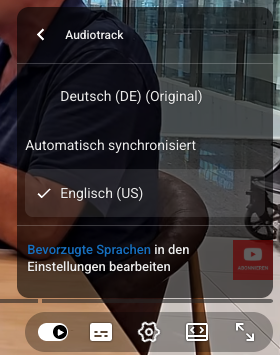
Watch in English
In the YouTube player, open Settings, choose Audio track, then English (US).
 No more ad blocks with a Supporter subscription!