The Emigrant's Handbook
Part 11: Everyday Life, Culture and Common Traps
Everyday life is the part of emigrating that often looks least exciting in videos and becomes most important in real life. You may get a visa with the right documents. But you get a good life abroad only through behaviour, boundaries, and patience.
In the Philippines, many things work more personally, more indirectly, and more strongly through relationships than in Germany. That can be very warm, human, and pleasant. But it can also become complicated if you enter an environment that you do not yet truly understand with German directness, money, loneliness, and romantic expectations.
This chapter is not a chapter about culture with a wagging finger. It is self-protection. Anyone who wants to live abroad permanently must learn when to speak, when to wait, when to say no, and when to accept that they themselves are not always the centre of attention.
11.1 Money Boundaries with Your Partner and Family
Many emigrants underestimate the financial expectations that can arise around a new relationship. Help can be sensible, humane, and right. Without clear boundaries, however, you will quickly become a permanent source of money.
Especially at the beginning, you should not enter into any major commitments: no land in someone else’s name, no expensive loans, no permanent payments without an overview, and do not immediately move in with the entire family.
The problem is not help. The problem is unlimited help.
If, at the beginning, you take on every bill, every school fee, every repair, every hospital case, every mobile phone, and every family crisis, you set a standard. And that standard then quickly becomes: if something is missing, the foreigner pays.
Therefore, establish early what you give voluntarily, what you do not give, and what happens only after a joint decision. Talk about money before money becomes a cause of conflict.
Is that unromantic? Yes. But a relationship that cannot withstand an honest conversation about money will usually not withstand genuine problems later either.
I am not writing this section from a position of moral distance. In an earlier relationship, I learned at considerable cost that love, trust, and money must be assessed separately. The details do not belong in a public handbook. But the lesson does:
If you do not set boundaries out of shame, guilt, or infatuation, someone else will eventually set your boundaries for you. And that rarely costs less.
For larger amounts, the rule is: sleep first, check next, then decide. Do not transfer money at night out of guilt. Not under pressure. Not because someone is crying. Not because supposedly everything has to happen immediately.
Genuine emergencies exist. Constant emergencies are a system.
Concrete next step: Set a clear monthly limit for the help you provide and write down which payments you will never make without time to think: loans, land, house construction, hospital costs, debts, business, and family support.
Ideal time: From the beginning, before you use money to solve problems that are actually relationship or structural problems.
11.2 Land, Real Estate, and Ownership
Foreigners cannot simply own land in the Philippines as they can in Germany. Condominiums, leases, corporate structures, or arrangements through partners are complex and must be examined legally.
The most dangerous mistake is to buy major assets in another person’s name out of love or euphoria. In the event of a separation, the money may effectively be lost.
Rent first. Get to know the area. Experience the rainy season, heat, traffic, neighbours, dogs, karaoke, water, electricity, internet, mosquitoes, construction sites, and everyday barangay life.
An area that seems charming on holiday can become annoying after six months. A condominium that looks attractive during a viewing may have poor management, high service charges, or noise problems in everyday life.
If you eventually want to buy, lease, build, or invest, then please do so with due diligence: check the title, encumbrances, rights of way, permits, taxes, property boundaries, and local legal practice.
And please do not simply use the lawyer recommended to you by the other party.
The Philippines merely serves as the example here. Every country has its own real-estate traps: foreign ownership quotas, lease models, sham arrangements, unclear titles, informal rights, family claims, illegal buildings, taxes, and inheritance law.
You do not have to become a lawyer. But you must understand that “looks good” is not a proper check.
Concrete next step: Create a checklist before every major real-estate decision:
Who is the legal owner?
What exactly am I permitted to own or use?
Which documents prove this?
Which risks remain in the event of separation, death, a dispute, or a return?
Ideal time: Only after months on the ground and after a legal review.
Sources and Guidance
11.3 Dating, Marriage, and Social Risks
Online dating can work. There are enough genuine, good relationships that began this way. At the same time, however, it is also an area in which fraud, emotional manipulation, and financial expectations can play a major role.
Sending money to people whom you have never met in person is a clear warning sign.
Partners who are already married, an unclear marital status, large age differences, jealousy, public conflicts, and cultural misunderstandings can have serious consequences. Anyone who does not yet know the local rules, expectations, and social dynamics should be especially careful.
Dating abroad is not automatically bad. I know enough good relationships. But I also know enough stories where, after only three minutes, you realise: this is going to be expensive. Not only financially, but also emotionally, legally, and sometimes even in terms of safety.
Do not limit getting to know someone to online contact and immediately turn that into a life decision. No engagement after two weeks of chatting. No regular payments to someone whom you have never met in person. No house purchase merely because the video calls were lovely. And if a problem always arises precisely when you are trying to set boundaries, you should look very closely.
With partners who have children, you need even more calm and clarity. Children are not dating decoration. Their father, grandparents, school, child support, place of residence, upbringing, language, religion, and future are all involved.
You can help. But from week 2, you are not automatically the new father, cash machine, and family judge.
If you want a serious relationship, examine not only the person but also their environment. How is money discussed? How are conflicts resolved? Is there pressure from the family? Are there hidden debts? Is there a real life behind the profile? And most importantly: how does the person react when you say no?
Concrete next step: Write down your red lines before you fall in love: no money before meeting in person, no real estate in someone else’s name, no marriage for a visa, no relationship with an unclear marital status, and no permanent payments without a clear joint budget.
Ideal time: Reflect before your first longer stay and keep observing these rules permanently.
11.4 Saving Face and Avoiding Conflict
Public humiliation, shouting loudly, sarcasm, insults, or aggressive behaviour can have a markedly different effect in the Philippines than in Germany. Anyone who humiliates someone in front of others risks escalation.
That does not mean that you have to accept everything. It means that you should resolve conflicts calmly, privately, and respectfully. Patience here is not a weakness, but self-protection.
Many Germans have a reflex: I am right, so I am going to say it now. Directly. Loudly. Immediately.
In Germany, that can already be unpleasant. Abroad, it can become dangerous or at least very expensive. You do not always know who is related to whom, who has influence, who feels humiliated, or who will turn up again later.
If something goes wrong, slow things down first. Do not argue in front of an audience. Do not lose your temper in a shop. Do not humiliate the security guard, taxi driver, barangay employee, landlord, or neighbour in front of others.
If you need to resolve something, do it calmly. Document the facts, find witnesses, use official channels, and leave if the situation begins to turn.
In Philippine companies, I have experienced how strongly hierarchies and areas of responsibility can shape what happens. Sometimes the person standing directly in front of you is not the one who decides, but rather compliance, building management, security, or some department that is invisible to you.
If you then barge in with German “I am going to solve this now” energy, you can block more than you resolve. First understand who is genuinely permitted to decide. Then talk.
This also applies online. Public posts about your partner, family, neighbours, landlord, local businesses, or authorities can backfire. In a country where relationships and face are important, Facebook is not a lawless bar-room discussion.
Concrete next step: Establish a simple rule for conflicts: first leave the situation, then write down the facts, then resolve it privately or use the official channel. No drama in front of an audience.
Ideal time: From the first day.
Chapter 11 Checklist: Boundaries, Relationships, and Conflict Rules
Tick an item only after you can support it with a figure, date, document, or tested decision. The full one-page worksheet is in the appendix.
- What help will I give voluntarily, and where is my fixed money limit?
- Which payments will never happen without time and verification?
- Have ownership, leases, debts, and civil status been checked independently?
- Do I know warning signs in dating, pressure, and permanent emergencies?
- Can I resolve conflict calmly, privately, and without causing loss of face?
- Which red line ends a financial or personal entanglement?
Practical check
Checklist at the end
Use the short checklist after reading all sections.
Go to checklist →Who is online?
- Visitors on the website
- Loading …
- Registered members
- Loading …
- Online now
Calendar
Dates at a glance
Calendar month is loading.
Dates are loading.
Dates today
Next 7 days

Auswandern auf Probe? Henning über Freiheit, Kosten und Leben in Asien (1)
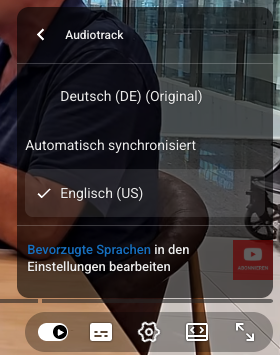
Watch in English
In the YouTube player, open Settings, choose Audio track, then English (US).
 No more ad blocks with a Supporter subscription!